Introduction
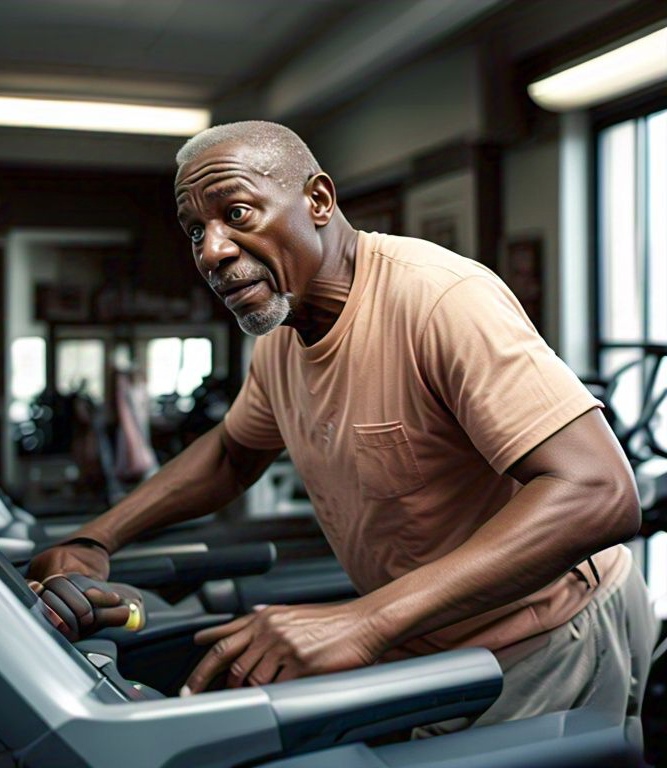
Running on the treadmill or any other form of exercise is very important for health and, more importantly, physical well-being. It is very important to time workouts with respect to nutrition. This article will debate on the pros and cons of using the treadmill after a meal and thus help you make informed decisions on how to go about your workout.
You may also be interested: https://en.m.wikipedia.org/wiki/Treadmill


Benefits of Exercising After Meals
- Easy Digestion: Light exercises after meals help digestion and reduce problems of indigestion and bloating.
- Energy Boost: Food provides energy for workouts, improving performance and increasing stamina.
- Nutrient Absorption: Exercise increases blood flow, thereby helping in the distribution of nutrients to the tissues.
- Saving Time: Exercising right after eating is quite time-consuming.
- Brain Light: Exercise after meals heightens alertness and concentration.
- Weight management: The metabolism can be improved, helping in weight loss, by exercises after meals.
- Heart Benefits: The regular habit of exercise after meals will improve heart health.
- Blood Sugar Lowering: Exercises after meals regulate blood sugar levels.

Disadvantages of exercising after eating
- Decreased Efficiency: Blood flow changes after eating, which may lower the amount of oxygen and energy the muscles will use.
- Discomfort and diarrhea: Vigorous exercise within a short time after meals can lead to abdominal distress, diarrhea, or loose stool.
- Dehydration: Poor hydration while exercising will further exacerbate nutritionally-induced dehydration.
- Hypoglycemia risk: Blood glucose levels post heavy meal exercise may surge high after a heavy meal.
- Digestive issues: Doing a heavy workout less than an hour after lunch may further worsen digestive disorders such as acid reflux or heartburn.
- Gaming nutrients: Exercise transports nutrients from food to muscle action.
- Fluid Imbalance: The sweating during workouts causes dehydration.
- Abdominal aches: Heavy workouts lead to abdominal pains.

Tips for working out on a treadmill after eating
- Rest Time: Allow yourself 30-60 minutes for lighter meals and 1-2 hours after heavy meals.
- Incline: Work on low exercises and gradually increase.
- Hydration: Take ample water before and during the workout and afterwards.
- Listen to your body: You can stop in case of any feelings of discomfort or pain.
Expert Consultation: In the case of special health concerns and questions.

Food Thoughts
- Right Foods: A balance in your meals with proteins, complex carbohydrates, and carbohydrates.
- Avoid Heavy Meals: Light meals before exercise, please.
- Water Rich Foods: Add to your list the water-rich foods like soybeans, lentils, or coconut water.
- Hydrating Foods: You can also add hydrating foods to your diet like spinach or coconut.


Individual Factors to Consider
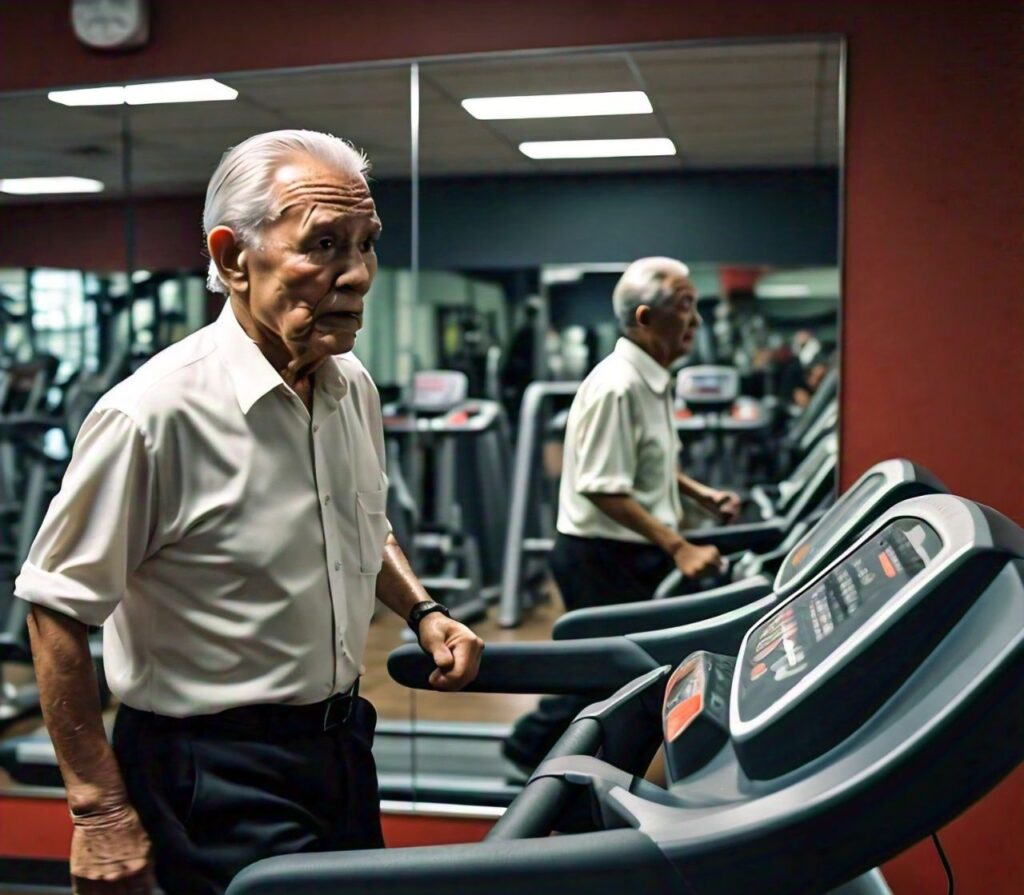
- Age: for eating, it may take longer for older adults.
- Health Conditions: Highlight the following health conditions: diabetes, stomach problems, and others that may require special attention.
- Medications: In case of any medication, a physician should be consulted.
- Level of Fitness: Beginners are supposed to wait for shorter lengths of time.
Conclusion
Though these pros and cons are related to exercising on the treadmill with regard to after meals, knowing them will help you in modifying your exercise routine for maximum safety and performance. If you weigh the pros and cons and follow instructions with care, you shall be able to make informed decisions on the post-meal exercises.
Additional Suggestions
- Experiment: Find your optimal waiting time.
- Check Progress: Monitor activity, energy levels, and ease with diet.
- Adapt: Adapt your style and strategy as necessary.
- Hydrate: Drink plenty of water during the day.
- Seek expert advice: Consult a health expert or registered nurse.
By incorporating these tips into your exercise routine, you will significantly improve both your treadmill experience and overall physical fitness.